Ages 8 to 12 Months—5 Months of Magical Milestones
What can you expect as your baby approaches year 1?
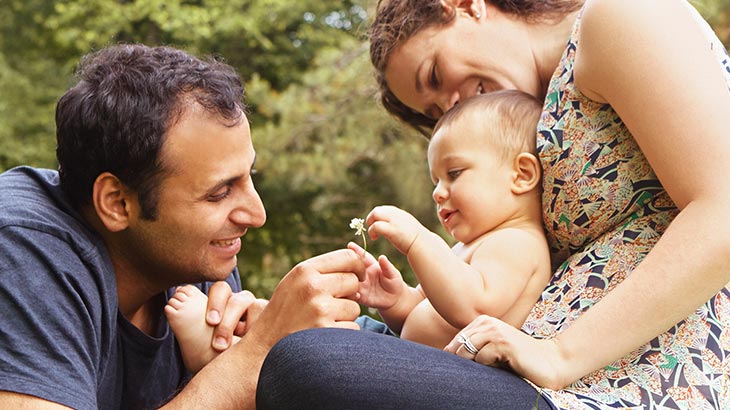
Every baby moving toward toddlerhood develops at a slightly different pace. What babies between the ages of 8 months and 1 year share are developmental mile markers that each will reach, sooner or later. Hold on tight, parents, and enjoy the ride!
Feeding schedule at ages 8 to 9 months: At 8 to 9 months of age, your baby may be drinking 7 to 8 fl oz of formula or breast milk, 3 to 4 times a day.
Feeding schedule at ages 9 to 12 months: Between 9 and 12 months, your baby will likely be drinking 7 to 8 fl oz of formula or breast milk, 3 times a day.
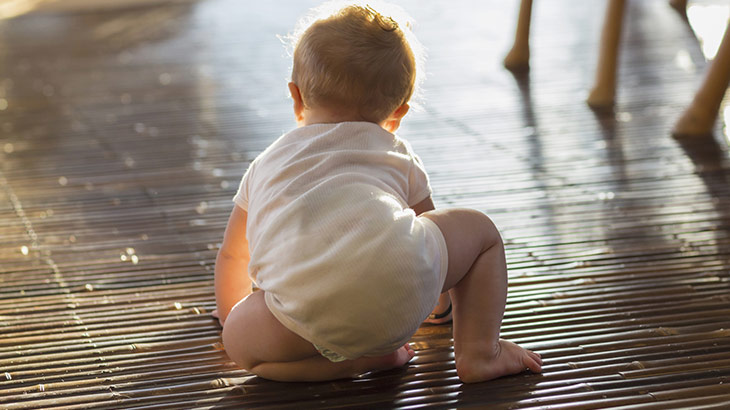
Your baby’s world at 8 months
Generally, at 8 months, your little one is starting to crawl, cruise, and experiment with all-new ways to explore the world around them.
They’re on a roll. By the end of this month, they will likely be able to:
- Crawl
- Inspect toys
- Say “dada” without necessarily knowing what it means
- Move from lying on their stomach to a sitting position
Fine-tuning motor skills. Support your baby’s fine and gross motor skills by:
- Helping them stand when they are near a table or sturdy object and use it for balance. Encourage them to “cruise” along the furniture by holding a favorite toy just out of reach.
- Encouraging them to bounce while supporting them in a standing position.
- Placing a toy out of reach and encouraging them to crawl toward it.
Safety tip: Make sure baby’s crib mattress is in the lowest setting once they can pull up to stand.
For a good night’s sleep, create a routine. Now is a great time to create regular bedtime rituals. A soothing activity that lasts 10 to 30 minutes, such as reading a picture book or doing quiet activities together, is ideal. This will help your baby look forward to bedtime and find it easier to adjust when you finally leave the room.
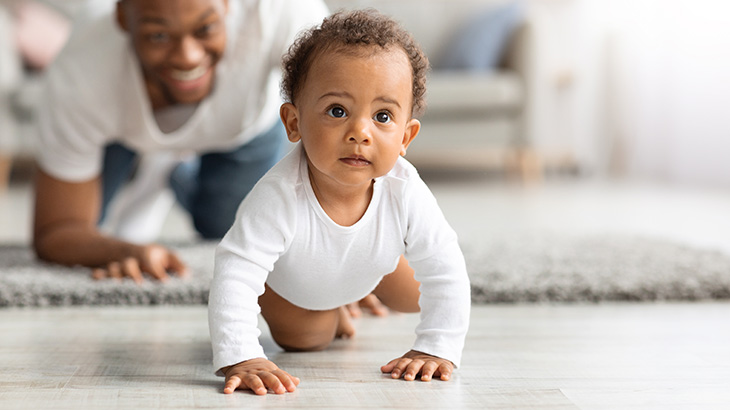
Your baby’s world at 9 months: time to shake, rattle, and roll!
At this age, your baby might be developing the ability to grab anything within reach. They might be able to say “mama,” too, although it’s completely normal for babies to go months longer before they start saying recognizable words.
Taking a stand for independence.
All babies develop at different rates. In general, by the end of your baby's ninth month, they will likely be able to:
- Pull themselves to a standing position
- Walk (cruise) while holding onto furniture
- Use their thumb and index finger to grab objects
- Wave bye-bye
- Understand the word “no”
Building up their big brain.
Your baby has learned so much during the past 8 months. Here are some simple ways to help continue to build their cognitive skills:
- Read them books while naming and pointing to objects and people
- Play hand-eye coordination games, such as “patty-cake” and “peek-a-boo”
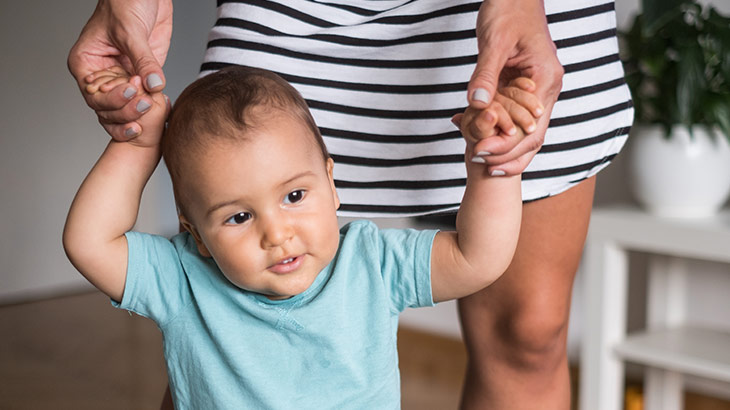
Your baby’s world at 10 months: this little one’s got skills!
At 10 months, babies are typically interacting more with people and showing off new skills at every chance. Help your baby adapt to their expanding world by reciting nursery rhymes, singing songs, and taking them to new places for the first time.
Let the good times walk.
All babies develop at different rates. In general, by the end of month 10, your baby will likely be able to:
- Walk with you slowly while holding hands
- Say “mama” and “dada” and know what they mean
- Stand while holding onto something
- Protest if you take a toy away
- Play hand games and wave bye-bye
Build their budding imagination.
It’s never too early to inspire your baby’s creativity. Here are fun, simple ideas to spark their imagination:
- Buy or make puppets from old mittens or socks using baby-safe attachments. Make the puppet “talk” to your baby and encourage them to talk back.
- Make a scrapbook of familiar objects such as toys, animals, and family members. Help your baby point to the pictures as you name them.
- Sing them familiar songs and read them nursery rhymes.
Your baby’s world at 11 months: put on your running shoes!
Your baby might be more active than ever and begin to explore their surroundings more. Whether they’re cruising around the living room furniture, standing on their own, or climbing up (but not down) the stairs, consider taking new steps to make your home safe from their curious roaming.
They’re right on track.
All babies develop at different rates, so don’t worry if your baby does something later or earlier than other children. In general, by the end of their 11th month, your baby will be able to:
- Walk with one hand being held
- Drink from a sippy cup
- Say one word other than “mama” or “dada”
- Point or gesture to ask for something
Bolster baby’s brain.
Eleven months is a great age to nurture your baby’s growing brain and developing hand-eye coordination with these activities:
- Help them walk with (or without) support
- Ask them to find their favorite toy in their toy basket
- Provide push/pull toys for them to play with
- Roll or toss a large soft ball back and forth
- Encourage them to stand and pick up a toy off the floor without holding on to anything
Safety tips for a baby on the move.
It’s a good idea to install safety gates or other barriers at the top and bottom of stairs. Here are some other tips to help keep your baby safe:
- Clear their play area of hard, sharp-edged furniture
- Lower their crib mattress so they can’t crawl out or fall while they stand
- Install childproof locks on drawers, screens, doors, and windows
- Move pots and pans containing hot foods away from the edge of counters and tables
- Insert plug protectors in any unused electrical outlets
- Store toxic substances (like household cleaners and products) out of baby’s reach
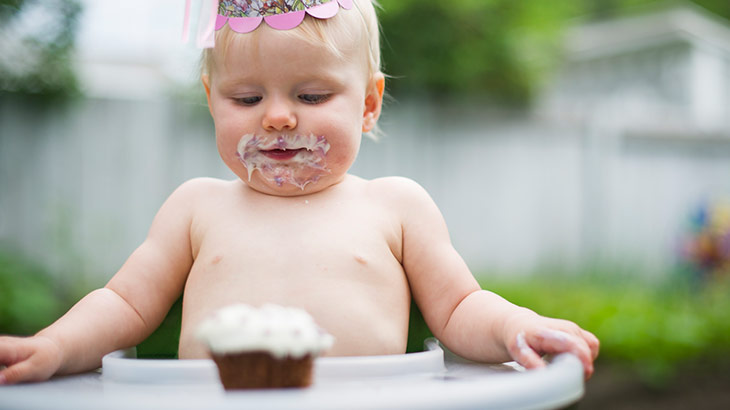
Your baby’s world at 12 months: a year of leaps
Your baby is developing a personality all their own, and it shows. They’re about to start the physical changes of leaping into toddlerhood, so it’s time to prepare for the next growth spurt.
Time flies when you’re turning 1.
You’ve both come so far in the first year, and your baby will continue to develop at their own pace. Generally, by the end of month 12, your little one will be able to:
- Take their first solo steps
- Say two words other than “mama” and “dada”
- Speak in “baby-talk” sentences
- Imitate your actions
- Drink from a sippy cup without help
Support brain development.
Help keep your baby’s brain developing through play in social settings and during your individual time with them.
- Introduce them to brief playdates to practice playing in groups. There won’t be much interactive play just yet, but they’ll get used to the playing environment.
- “Read” a picture book together. Identify what you see on each page to help them learn new words and objects.
Prepare to wave “bye-bye” to the bottle.
If your 1-year-old is still on the bottle, these tips could help them transition to a sippy cup:
- Begin to offer them a sippy cup in place of midday bottles
- Don’t let your baby roam with the bottle, and limit where they can have it, such as only while on your lap or at the table
- Try offering breast milk or infant formula in the sippy cup. If that doesn't seem to be working, try offering water in a sippy cup with 1 meal per day
Now that your toddler is transitioning to table foods, it can be hard to tell if they are getting the nutrition they need. This might be a good time to add in a toddler drink, like Go & Grow 360 Total Care® by Similac®. It’s designed to help balance a toddler’s diet and support brain, eye, and physical development from ages 12 to 36 months.


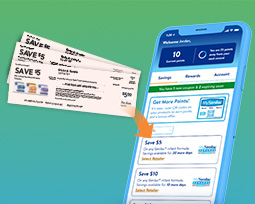
Join MySimilac™ Rewards for up to $400* in benefits and support throughout your journey.
* Offers may vary and are provided by Abbott and its third-party partners. Additional terms, conditions, and restrictions may apply. Offers may be subject to additional shipping and handling fees. Visiting participating healthcare facilities may be required to claim select offers.